How to Choose Helical Pile Installers in Hamilton
How to Choose Helical Pile Installers in Hamilton
If you're planning a foundation project in Hamilton, getting the right helical pile installer on the job can make the difference between a solid, long-lasting foundation and costly problems down the line. Helical piles, also called screw piles, are engineered fasteners that twist into the ground to provide anchoring for everything from decks and sheds to serious structural work. The installation requires skill, the right equipment, and knowledge of Hamilton's local soil conditions. Choosing the wrong contractor can lead to wasted money, failed systems, and headaches that could have been avoided. This guide walks you through exactly what to look for when selecting a helical pile installer in the Hamilton area, so you can hire with confidence.
What Are Helical Piles and Why They Matter
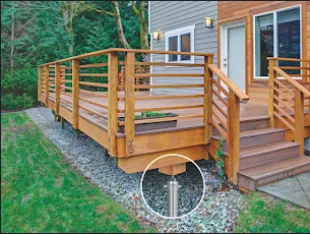
Helical piles are steel shafts with helical blades welded to them. Think of them as giant screws that twist down into the earth to create a solid anchor point. Unlike traditional concrete footings or digging deep holes, helical piles work by displacing soil as they're installed, which compacts it and creates bearing capacity without excavation. They're ideal for challenging sites where digging is difficult, where frost heave is a concern, or where you need to avoid disturbance to existing landscaping.
Because helical piles rely on proper installation depth, correct torque application, and soil assessment, the installer's expertise directly affects how well your system performs. A qualified installer knows how deep to screw them in, recognizes different soil types, and has the experience to troubleshoot problems on the fly. Hiring an inexperienced contractor or handyman who rents a machine for the day is a recipe for failure.
Why Hamilton Homeowners and Builders Trust Professional Helical Pile Installers
Hamilton's terrain and climate create specific challenges that generic foundation contractors often overlook. Our area has variable soil composition, high water tables in some zones, and seasonal frost that can shift foundations. Professional helical pile installers who work regularly in Hamilton understand these conditions and design systems that handle them properly.
In our experience serving Hamilton and the surrounding Ontario region, the most successful projects are those where the installer takes time to assess the site, soil conditions, and the intended load before diving in. This upfront assessment typically prevents costly surprises and gives you a system designed for your specific situation, not a one-size-fits-all approach.
Essential Qualifications to Look for in a Helical Pile Installer
When you're comparing helical pile installers, focus on these key areas:
Licensing, Insurance, and Certifications
A legitimate helical pile installer carries liability insurance and can provide proof. Many provinces recognize helical pile installation as a specialized trade, and some contractors pursue additional certifications in helical pile design and installation. Don't hesitate to ask for documentation. A contractor who balks at sharing insurance information or references is a red flag.
Hands-On Experience with Helical Piles and Screw Piles
Not all foundation work is the same. Ask how many helical pile and screw pile projects the installer has completed. How long have they been doing this type of work? Can they show you photos of completed installations in the Hamilton area? Real experience in your local area matters because soil and conditions vary by region, and familiarity with Hamilton's specific challenges is a genuine asset.
Proper Equipment and Technology
Helical pile installation requires specialized hydraulic equipment. The contractor should have purpose-built torque-monitored machines, not improvised setups. Modern equipment allows precise monitoring of installation torque and depth, which tells you the system is being installed to spec. If the contractor is using basic equipment or can't explain how they're monitoring quality, that's a concern.
Knowledge of Local Soil and Building Codes
A seasoned installer in Hamilton knows the soil profiles of different neighborhoods, understands local building code requirements, and can work with the local AHJ (Authority Having Jurisdiction) if permits are needed. They should ask you about soil history, building plans, and load requirements before quoting a job.
Key Questions to Ask Before You Hire a Helical Pile Installer
Before committing to any contractor, ask these essential questions:
How many helical pile or screw pile projects have you completed in Hamilton and Ontario in the past three years?
What type of torque monitoring equipment do you use, and can you provide installation reports showing torque and depth data?
Do you carry liability insurance and provide references from recent projects?
Will you do a site assessment and provide a written scope of work before the job begins?
How do you handle different soil conditions, and what's your approach if you hit unexpected soil during installation?
Are you familiar with local Hamilton building codes and permit requirements?
Can you provide a detailed quote that breaks down labor, materials, and equipment?
A contractor who answers these questions confidently and thoroughly is someone you can trust. Someone who gets vague, dismissive, or won't provide details is probably not your best choice.
Site Assessment and Custom Design Matter
The best helical pile installers don't just show up with equipment and start drilling. They take time to evaluate your site: soil type, drainage, frost depth, intended load, and any existing structure. This assessment informs a custom design tailored to your specific conditions and needs.
If a contractor gives you a quote without visiting the site or asking detailed questions about your project, they're not doing due diligence. Custom solutions cost a bit more upfront but save money and problems in the long run.
Red Flags to Avoid When Hiring a Screw Pile Contractor
Watch out for these warning signs:
Pressure to commit before a site visit or detailed assessment
Unwillingness to share insurance certificates or past references
Vague or incomplete quotes that don't itemize labor, materials, and equipment
No torque monitoring or installation reporting
Inexperience with helical piles or screw piles specifically (not all foundation contractors have this expertise)
No local presence or track record in Hamilton and the surrounding region
Reluctance to explain their methods or answer technical questions
Trust your instincts. If something feels off or the contractor doesn't seem to know their trade well, keep looking.
Getting Multiple Quotes
Always get at least two or three quotes from different installers in Hamilton. This gives you a sense of the market rate and allows you to compare approaches. Keep in mind that the cheapest quote isn't always the best value. A low price often reflects either inadequate equipment, lack of experience, or shortcuts that will cost you later.
When comparing quotes, make sure you're comparing similar scopes of work. One quote might include site assessment and design; another might not. One might include equipment rental; another might include it in labor. Read carefully and ask clarifying questions so you can make an apples-to-apples comparison.
Frequently Asked Questions
How deep do helical piles need to go in Hamilton?
Depth depends on soil type, frost depth, and the load your structure will carry. In the Hamilton area, frost depth is typically 4 to 5 feet, so piles often need to go deeper than that. A professional installer will assess your site and determine the correct depth for your application. This is why site-specific design matters.
Can I install helical piles myself?
While DIY helical pile kits exist for small projects like deck posts, serious structural work requires professional expertise and equipment. Improper installation creates safety risks and can fail unexpectedly. Unless you have significant experience with soil mechanics and specialized equipment, hire a professional. Postech Hamilton's helical pile services are designed to handle projects of all sizes with the expertise you need.
How long does a helical pile installation take?
A small residential project might take one or two days. Larger or more complex projects can take longer. The contractor should give you a realistic timeline during the quote phase. Factors like site access, soil conditions, and the number of piles all affect the schedule.
Getting Started with the Right Helical Pile Installer in Hamilton
Choosing a helical pile installer in Hamilton comes down to experience, professionalism, local knowledge, and clear communication. Spend time vetting your contractor, ask the hard questions, and get everything in writing. The small effort you put in upfront will pay dividends in a foundation system that performs reliably for years to come.
For a free site assessment and expert guidance on your helical pile or screw pile project in Hamilton, contact Postech Hamilton today. Our team has the equipment, local experience, and track record to handle your project right. Call us at (905) 745-9455 to speak with a specialist or request a free quote. We serve Hamilton, Ontario and surrounding communities with professional helical pile installation you can trust.